barito bajada
← field guide

Reptiles

Tortoises, rattlers, and the lizards that own the heat.

Key

Venomous — treat as a serious bite, get help
Harmless — no venom
Catch & release — be gentle, then let it go
Quick hands — catchable if you're fast
Good luck — harmless, but you'll just look silly trying
Hard no — run, or just don't
Protected — don't touch, move, or harm it (illegal)
Beneficial — eats rodents, and even other snakes
Common — you'll see these
Occasional — now and then
Seldom — keep an eye out
Elusive — you may never see one

subtitle = binomial (scientific name)
Rattlesnakes — the four to respect

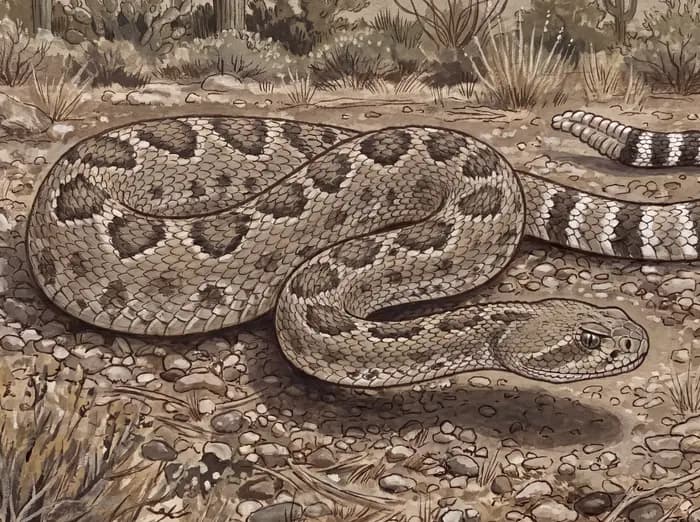
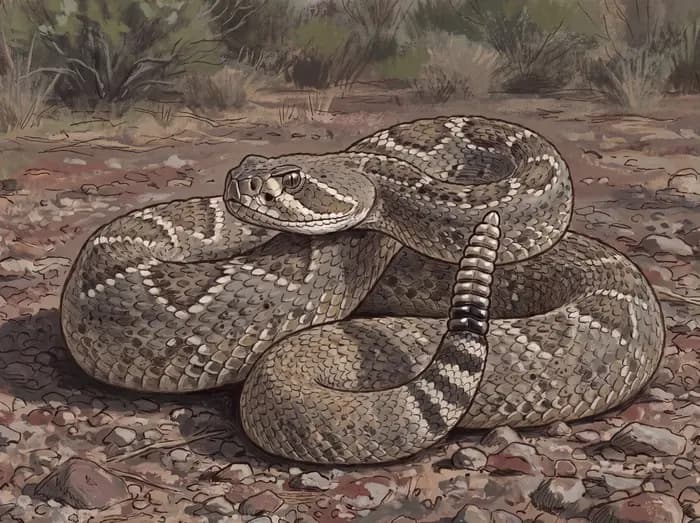
Western diamondback rattlesnake

Western diamondback rattlesnake

Crotalus atrox

Big, diamond-patterned, with a black-and-white 'coon-tail' above the rattle — the rattler you're most likely to meet, and the one behind most local bites. Stands its ground and buzzes loud. The catch-and-release verdict here is just no. Give it room; most bites come from people deciding to be heroes.

Mojave rattlesnake

Mojave rattlesnake

Crotalus scutulatus

The 'Mojave green' — greenish, white tail bands wider than the black, and the most potent venom of the local rattlers (often neurotoxic). Looks a lot like a diamondback, so assume the worse of the two and keep your distance. There is no version of this where you hold it.

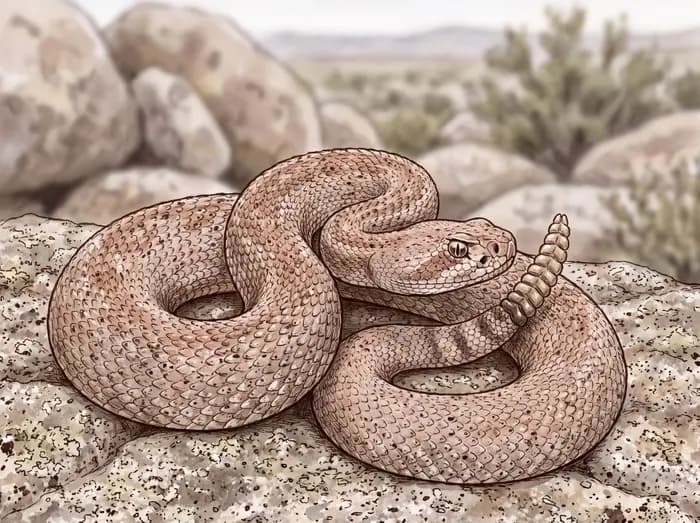
Speckled rattlesnake

Speckled rattlesnake

Crotalus pyrrhus

Pale and peppered, color-matched to local rock so well it basically disappears. Lives on rocky slopes — watch hands and feet when you're scrambling on stone, because this is the one you won't spot first. Admire from exactly as far away as you noticed it.

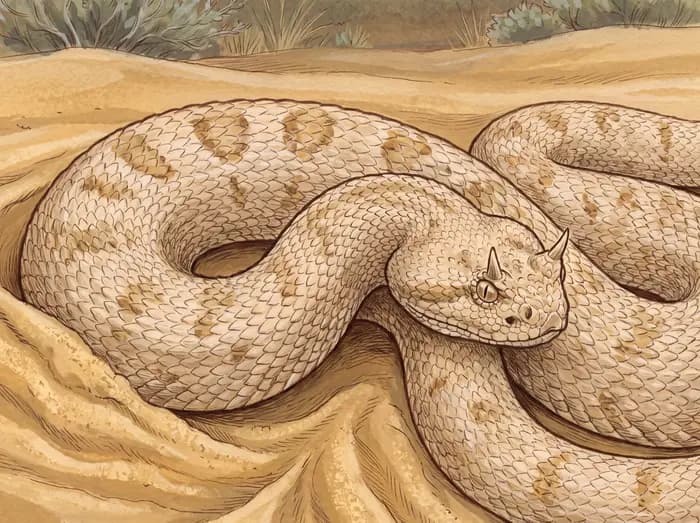
Sidewinder

Sidewinder

Crotalus cerastes

Little horned rattler that throws itself sideways across loose sand, leaving J-shaped tracks. Smaller venom load than its cousins, still a serious bite — and mostly out at night in summer, so carry a flashlight. Cute name, same answer: no.

Harmless Snakes — mostly allies

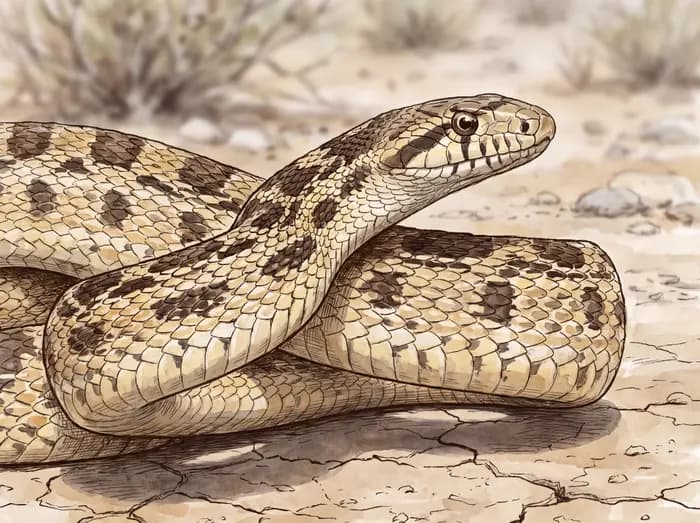
Gopher snake

Gopher snake

Pituophis catenifer

Large blotched non-venomous snake and the desert's great impersonator: cornered, it flattens its head, hisses, and buzzes its tail in dry leaves to fake a rattler — which gets a lot of innocent gopher snakes killed. Round pupils, no rattle, no fangs, quietly eating your rodents. The 'hard no' here isn't because it'll hurt you — it's because you'll think it's a rattler and lose your whole mind. Let it be.

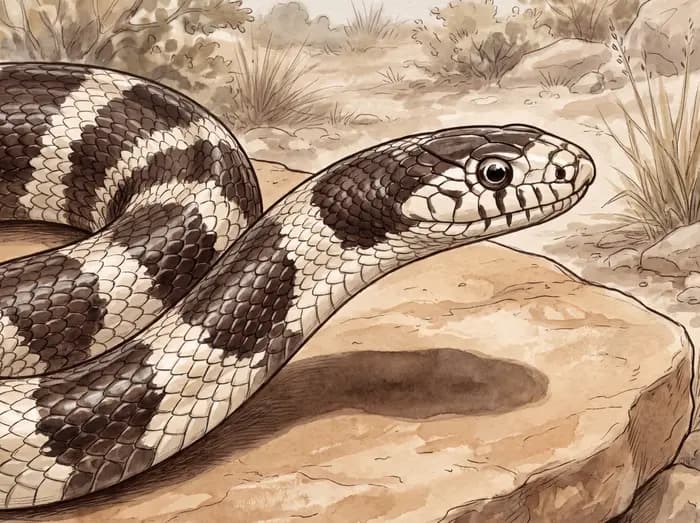
California kingsnake

California kingsnake

Lampropeltis californiae

Banded black-and-white snake that hunts other snakes — rattlers included, whose venom it shrugs off. Easily the best neighbor on this whole page: a resident kingsnake literally lowers your rattlesnake count. Grab it and you'll get musked and bitten for your trouble and lose your best employee. Hands off, let it work.

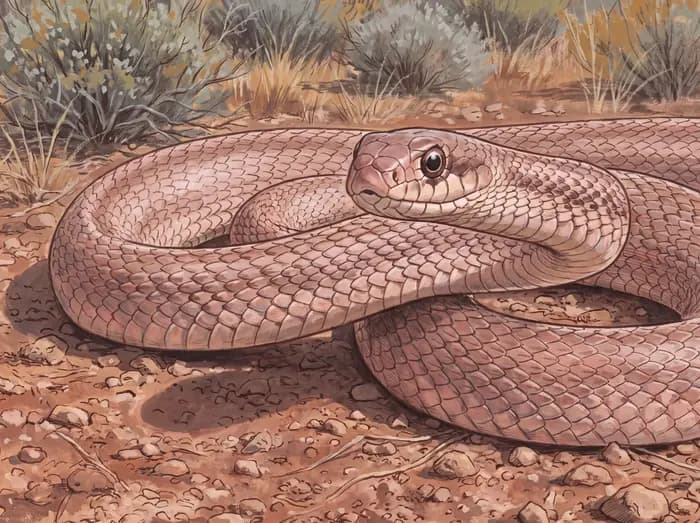
Coachwhip

Coachwhip

Masticophis flagellum

Long, whip-thin, often pinkish, and absurdly fast by day. Totally harmless to you, brutal on rodents and lizards. You are welcome to try to catch it. You will not. If something streaks off faster than your eyes can track, that was this, laughing at you.

Lizards

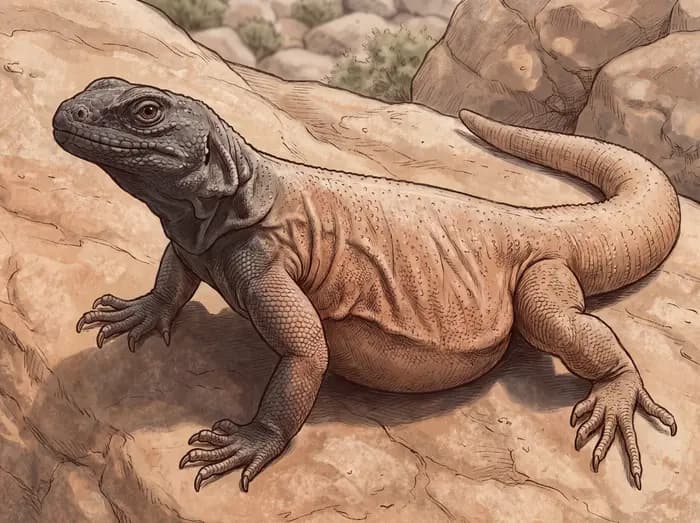
Chuckwalla

Chuckwalla

Sauromalus ater

Heavy, mellow, plant-eating rock lizard — the gentle giant of the bunch. Catch one in the open and it's fine to hold a moment, but if it makes the crevice first it gulps air and inflates to wedge itself in: do NOT pull, you'll hurt it. At that point it has won. Let it go.

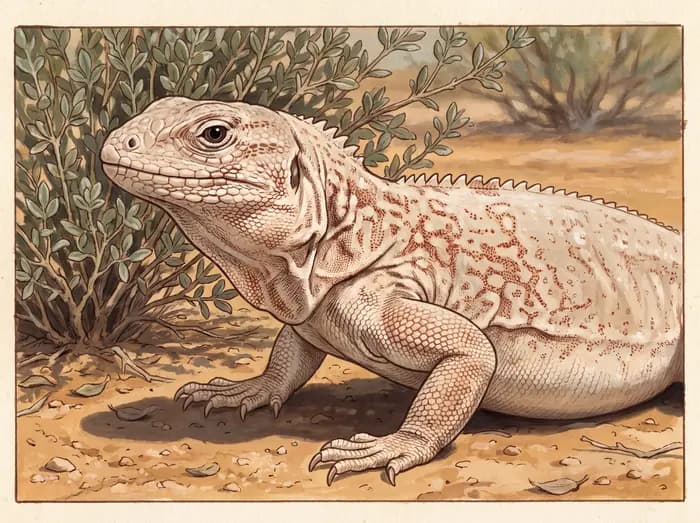
Desert Iguana

Desert Iguana

Dipsosaurus dorsalis

Pale heat-lover that's out cooking happily when everything else has hidden. Fast, but catchable if you're quick — just make it brief, because they run hot and your hand is a sweaty oven to them. Quick look, quick release.

Desert spiny lizard

Desert spiny lizard

Sceloporus magister

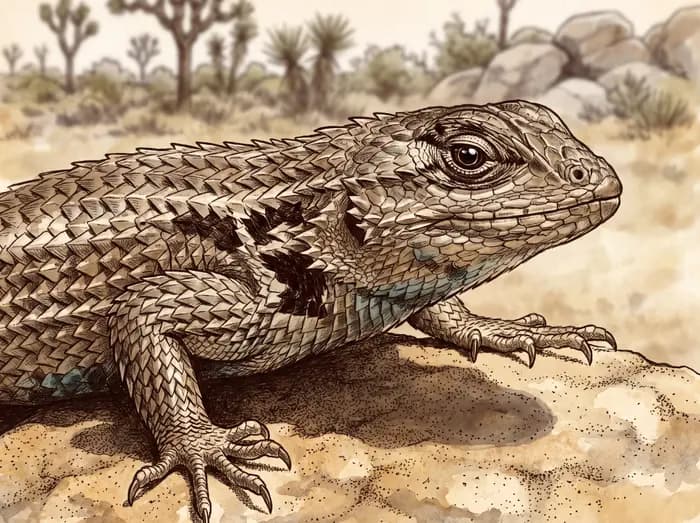
Stout, keel-scaled, doing push-ups from your fence post like it owns the place. Catchable with quick hands — fair warning, it'll give you a harmless but committed little chomp and squirm like mad. Earns the hold, then let it go flex somewhere else.

Side-blotched lizard

Side-blotched lizard

Uta stansburiana

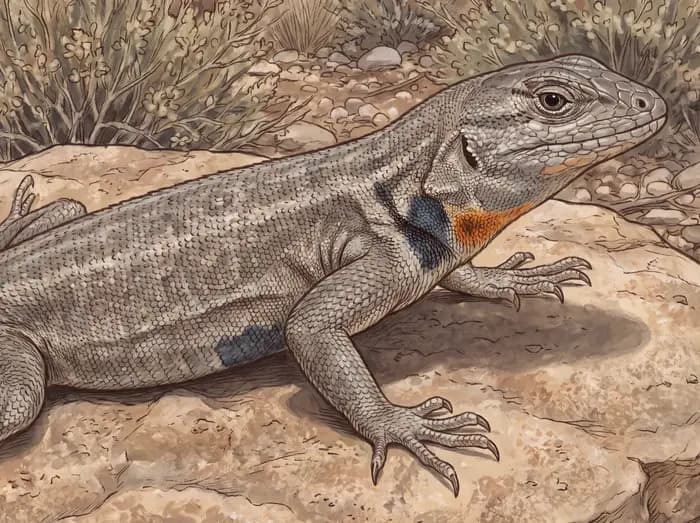
The tiny one underfoot everywhere, all day, all season. Easy to gently cup in two hands and the most beginner-friendly catch out here — just never grab it by the tail (it'll pop the tail off to escape, which costs the little guy). Body only, brief, back down it goes.

Zebra-tailed lizard

Zebra-tailed lizard

Callisaurus draconoides

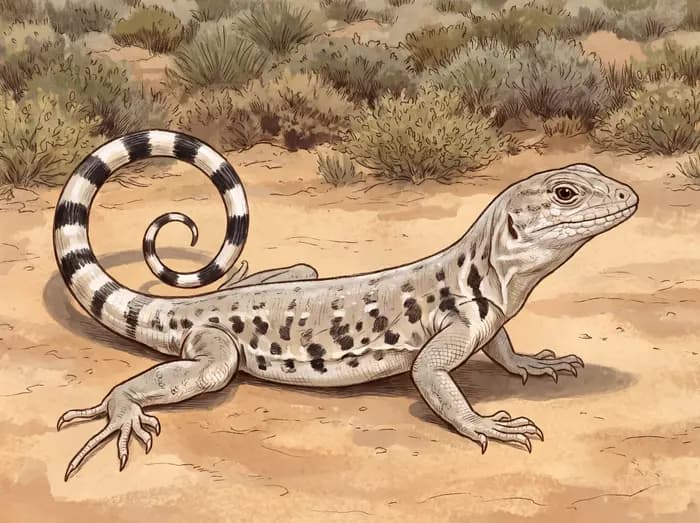
Curls its banded tail up over its back, wags it at you like a taunt, then rockets off bipedal across open sand — one of the fastest lizards on the continent. Harmless, and a complete waste of your dignity to chase. You will not catch it. You'll just look silly trying.

Western whiptail

Western whiptail

Aspidoscelis tigris

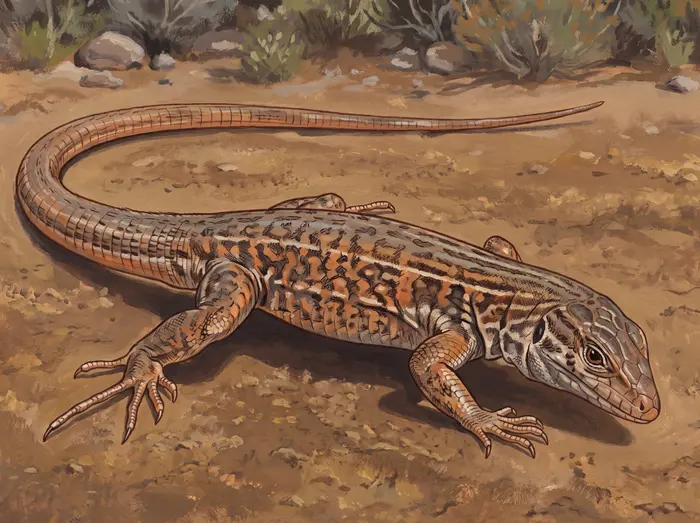
Nervy, twitchy, never still for two seconds, always probing under litter for bugs. Harmless — but it bolts under cover the instant you so much as think about it. File this one under 'good luck,' right next to the zebra-tail.

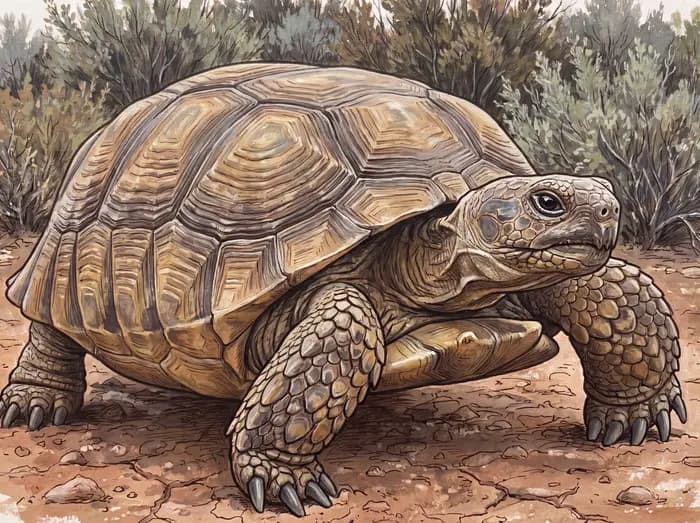
Desert Tortoise

Desert tortoise

Desert tortoise

Gopherus agassizii

Here's the cruel joke of the whole page: the one animal slow enough that you absolutely could catch it is the one you must never touch. It's protected, and a frightened tortoise empties its bladder — its whole drought reserve — and can die of dehydration before the next rain. So no picking it up, no 'just moving it,' no photo-holding it. Admire it, give it room, dig around its burrow, and report the sighting. Best critter out here; hands fully off.