Invertebrates
Scorpions, spiders, and the stings worth knowing.
Key
subtitle = binomial (scientific name)
Scorpions

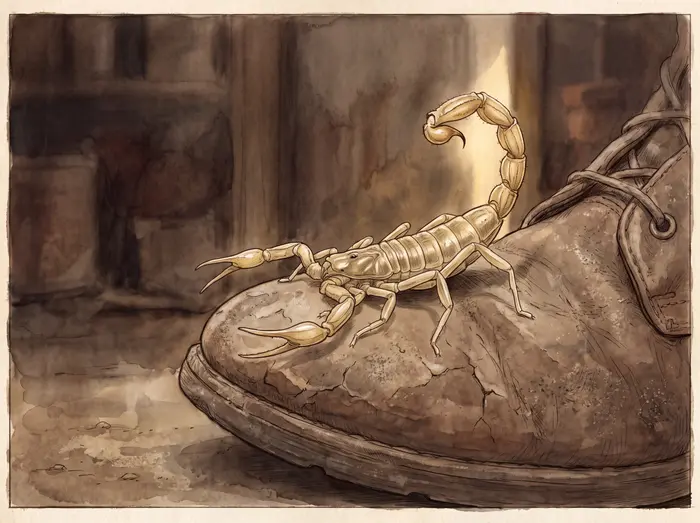
Arizona bark scorpion
Centruroides sculpturatus
Small, pale, the only medically serious sting in the state. Climbs walls, glows under UV, hides in shoes and bedding — the one to actually respect. Shake out boots; a black light at night turns up every one nearby.

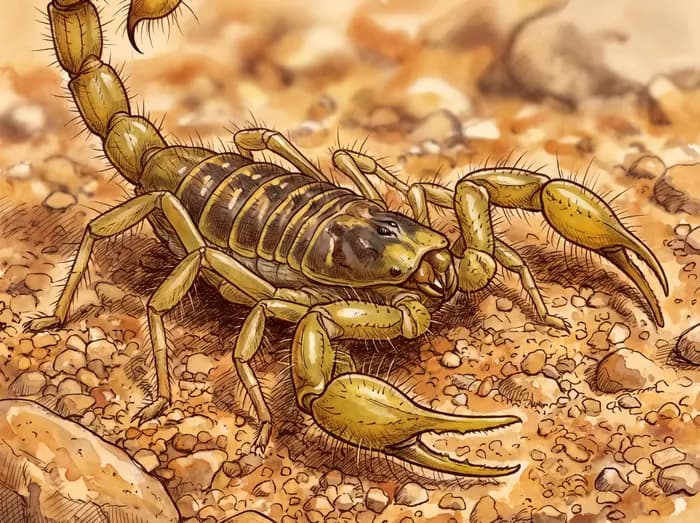
Desert hairy scorpion
Hadrurus arizonensis
Large yellow scorpion with a dark back; the giant of the group. Looks alarming but the sting is about bee-level — its size means weaker venom, not stronger.
Spiders

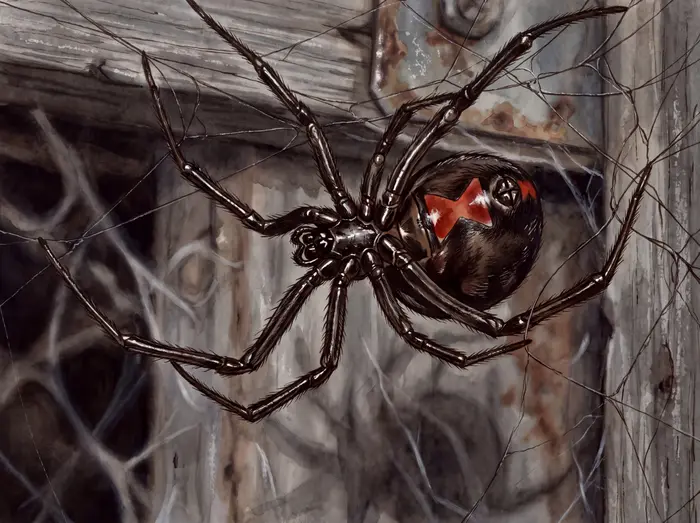
Western black widow
Latrodectus hesperus
Glossy black with a red hourglass; a genuinely venomous bite that's painful but rarely dangerous to a healthy adult. Webs in woodpiles, sheds, meter boxes, and low corners — wear gloves reaching into the undisturbed ones.

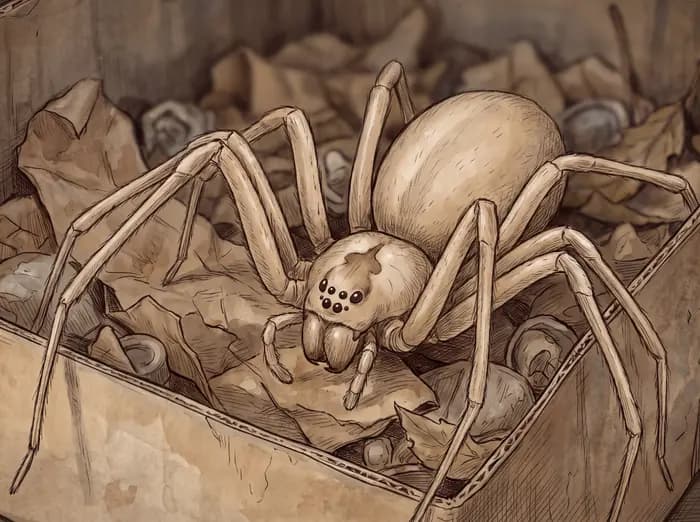
Arizona recluse
Loxosceles arizonica
Drab brown spider with a tissue-damaging bite — and so shy you may never lay eyes on one. Hides in undisturbed clutter and stored boxes; the risk is reaching blind into something that's sat untouched for months.

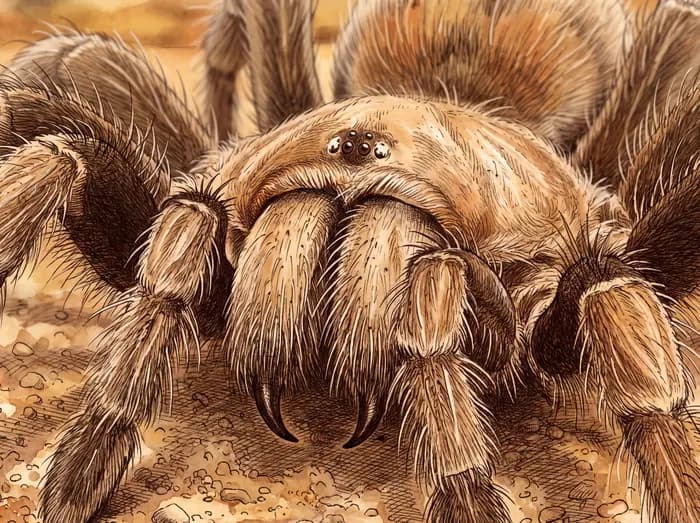
Desert blonde tarantula
Aphonopelma chalcodes
Large, docile ground spider; males wander openly on fall evenings looking for mates. Bite is milder than a bee sting and they'd far rather flee — a friend, not a threat, and a quiet helper on the bug population.
Stinging Insects

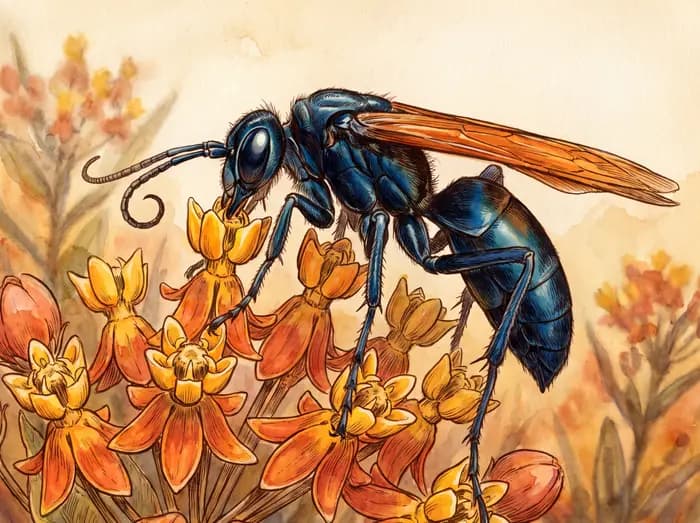
Tarantula hawk wasp
Pepsis spp.
Huge blue-black wasp with orange wings that hunts tarantulas. One of the most painful stings on earth — but it's not aggressive and the venom is medically harmless. Don't swat it; just give it room. As an adult it only drinks nectar.

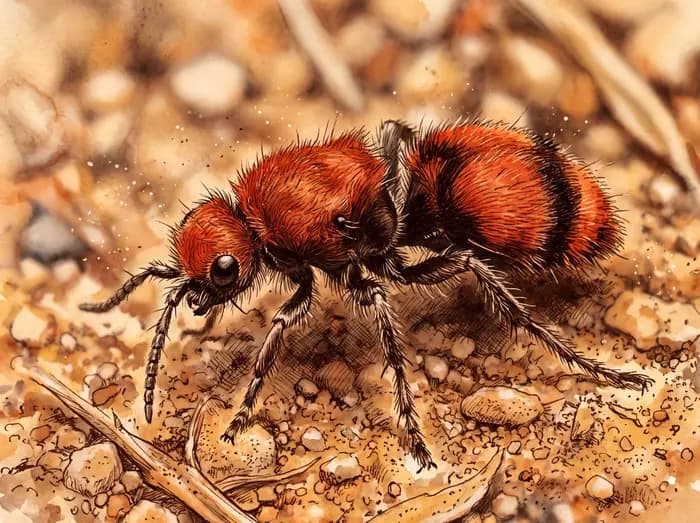
Velvet ant ("cow killer")
Dasymutilla spp.
Fuzzy red-and-black wingless wasp, not an ant, trundling across open ground by day. The nickname is for the sting, not the danger — it hurts a lot, harms little. Just step around it.

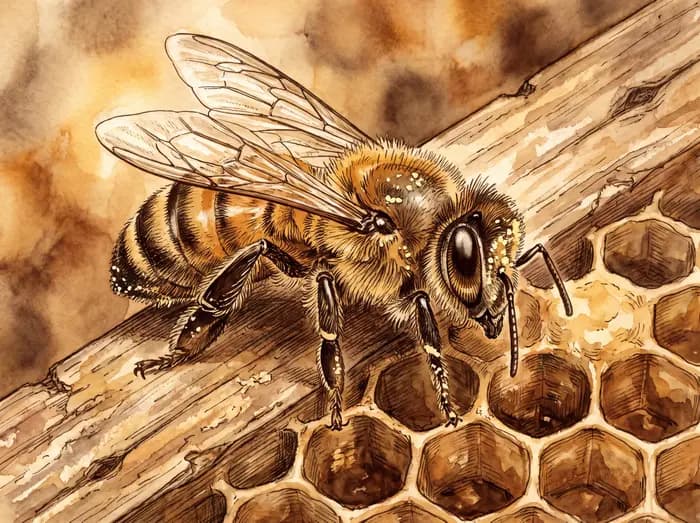
Africanized honeybee
Apis mellifera scutellata (hybrid)
Looks like any honeybee; the difference is temperament. A defensive colony can swarm and deliver enough stings to be dangerous, especially to anyone allergic. They colonize wall cavities, water tanks, and equipment — a real concern once you have standing water and structures, so check before disturbing any hum.
Centipedes & Others

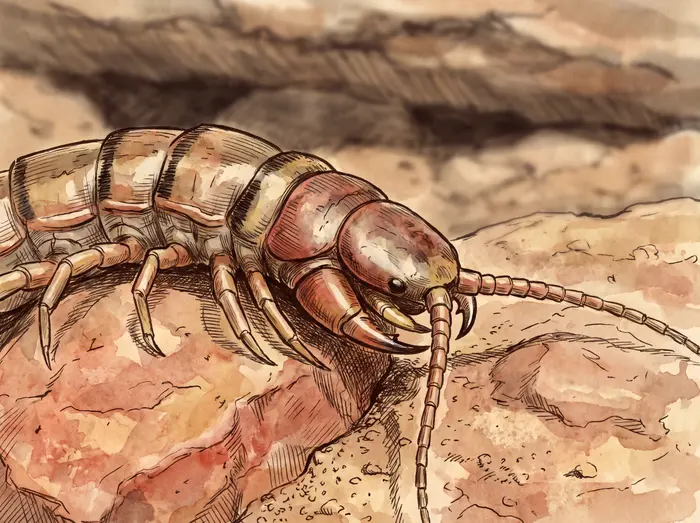
Giant desert centipede
Scolopendra heros
Big, fast, multicolored centipede that hunts at night and occasionally wanders indoors for cool damp. The pinch is sharp and painful but not dangerous; the fix is not handling it and watching where bare feet go after dark.

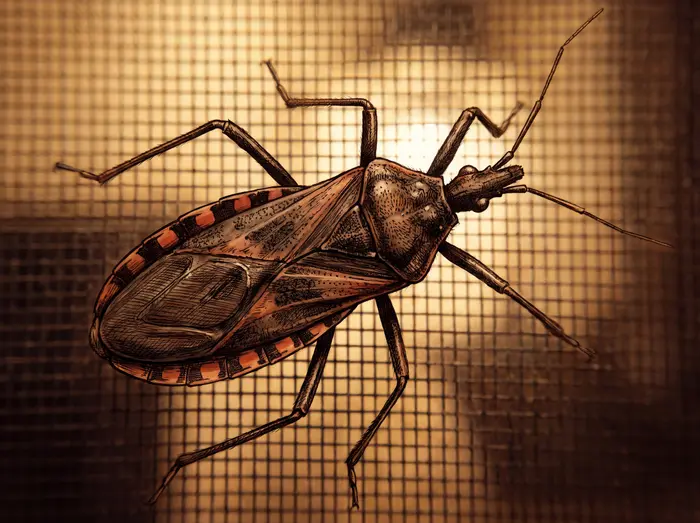
Conenose (kissing) bug
Triatoma rubida
Night-active blood-feeder drawn to lights and exhaled CO2. The bite itself is minor — the reason to know it is Chagas, a parasite a small fraction can carry. Uncommon here, but worth recognizing: seal gaps, keep beds off walls, and don't leave porch lights blazing by open doors.